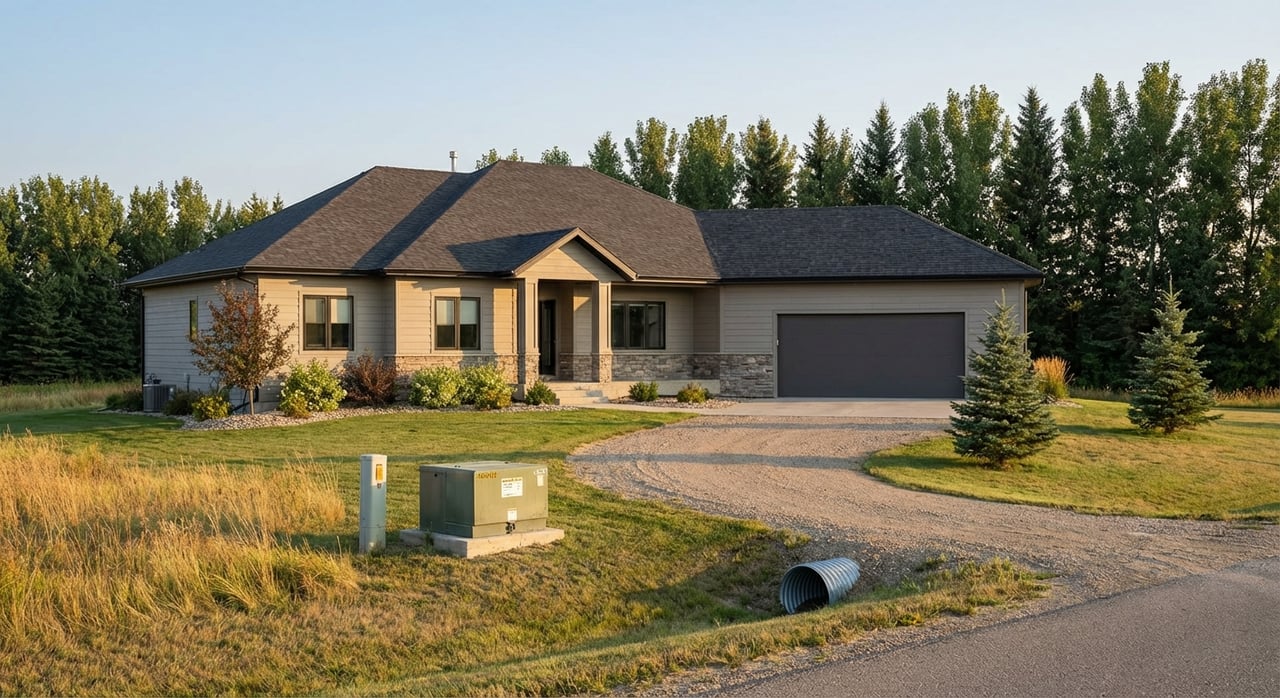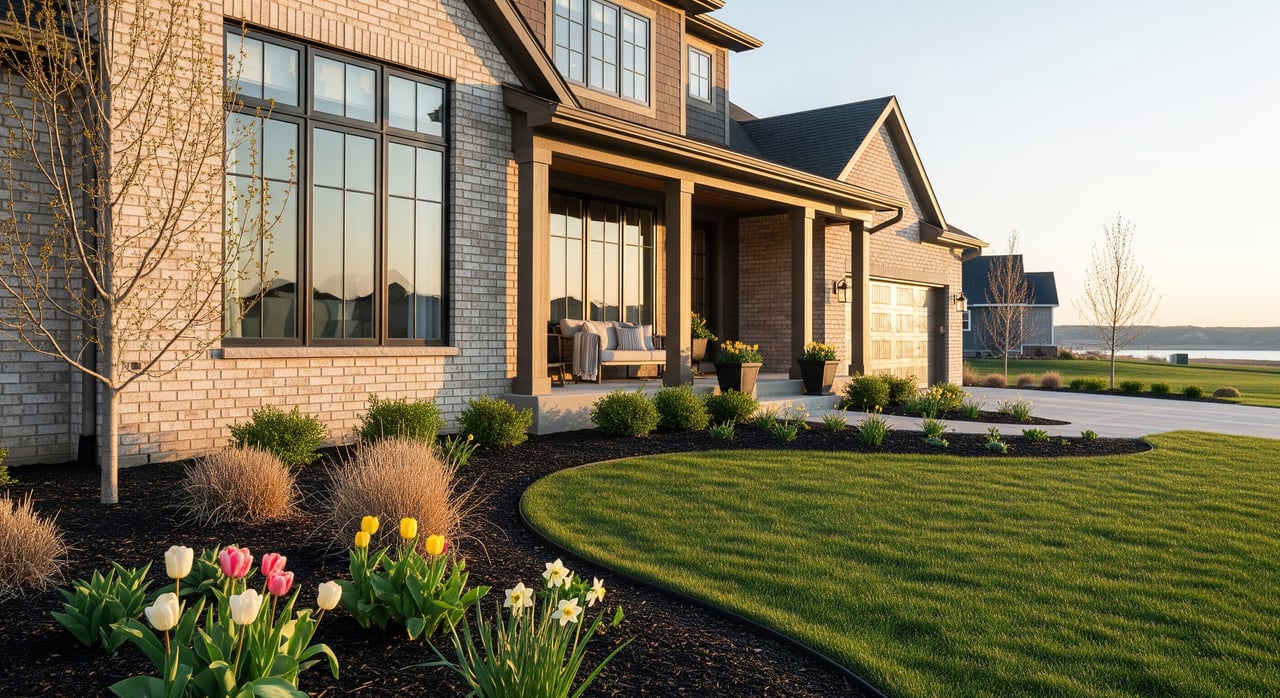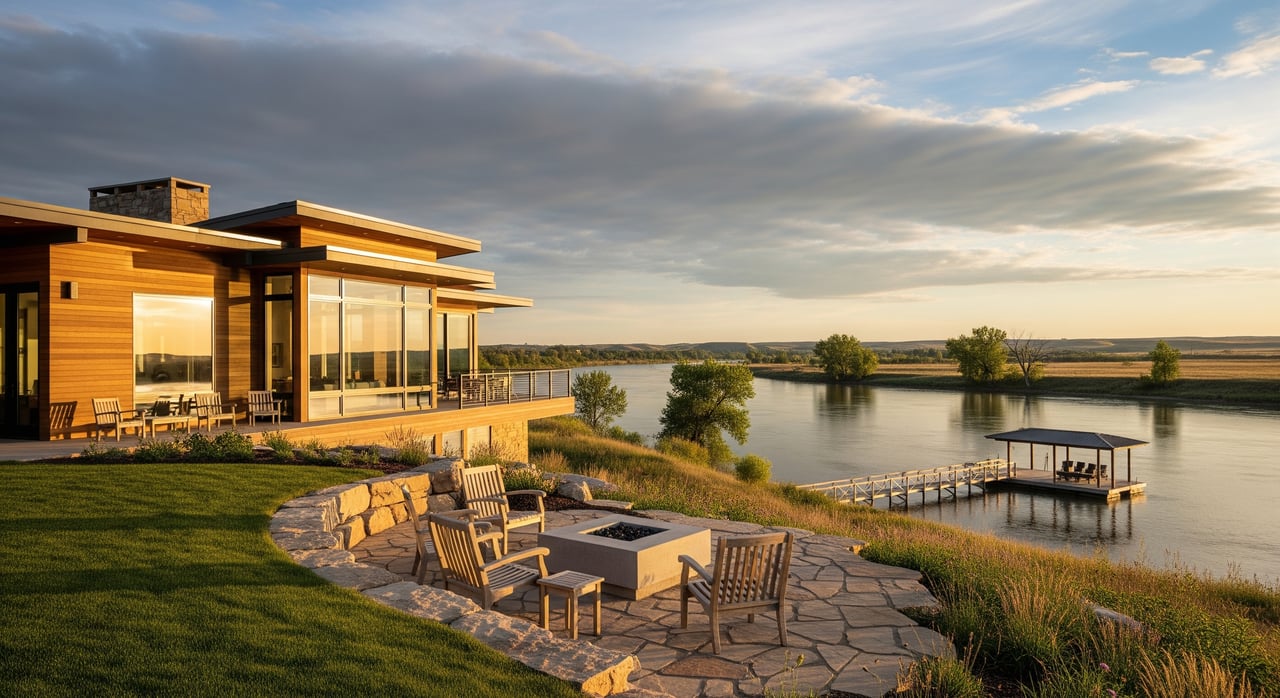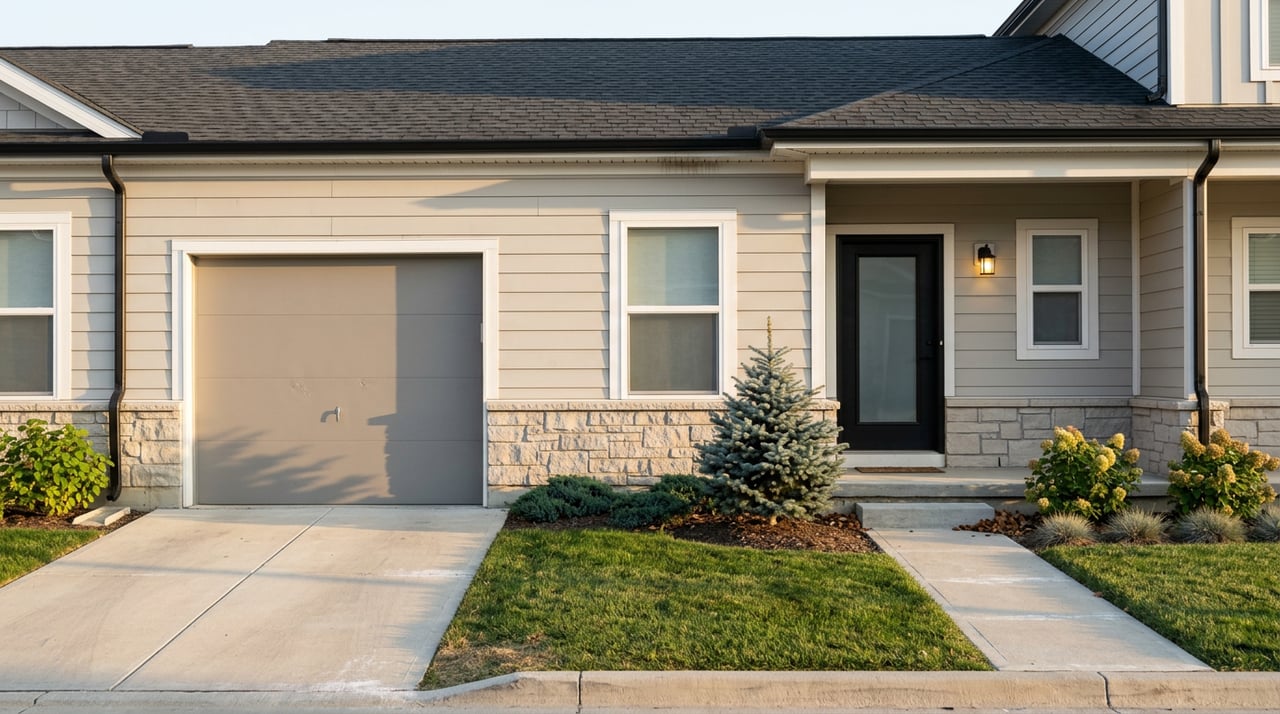
Feeling torn between low‑maintenance living and a private yard? If you are buying in Bismarck, the choice between a townhome and a single‑family home shapes your daily routine and your budget. You want enough space, predictable costs, and a smart long‑term move. In this guide, you will see how each option stacks up in our local market, from price points and taxes to winter upkeep and HOA rules. Let’s dive in.
Bismarck market at a glance
Bismarck’s market feels steady and somewhat competitive. According to Redfin, the median sale price was $362,400 in February 2026. Zillow’s Home Value Index showed an average value near $358,700 as of January 31, 2026. Methods differ by source, so look at trends and timing, not just a single number.
By property type, a recent local aggregator summary showed a typical townhouse median near $340,000, while single‑family sales were closer to $376,900. That suggests townhomes often trade below single‑family homes, though not by a wide margin and not in every neighborhood or finish level. Use recent comps for the exact price band you care about.
Townhome vs single‑family: key differences
Maintenance and time
- Townhome: Many Bismarck associations include exterior maintenance, lawn care, and snow removal. That can save you time and reduce surprise chores, especially in winter. Always confirm coverage in the HOA’s CC&Rs and budget.
- Single‑family: You handle yard, roof, driveway, and snow clearing. You can control the how and when, but costs and time vary by season and by year.
HOA fees and governance
- Expect HOA dues roughly $100 to $200 per month in many Bismarck townhome communities, depending on what is covered. Fees that include snow removal can be valuable here.
- Ask for the HOA budget, reserve fund balance, last reserve study, recent meeting minutes, and the master insurance certificate. The Community Associations Institute explains why reserve studies matter and how underfunded reserves can lead to special assessments. See CAI’s overview of reserve study and funding guidance.
Insurance basics
- Townhome and condo owners often carry a unit‑owner policy, commonly an HO‑6. The HOA master policy usually covers exteriors and shared elements. Your exact policy depends on the legal form of ownership and the HOA’s master coverage.
- Single‑family owners usually carry an HO‑3 policy that covers the full structure and contents. For a quick primer, review Progressive’s Condo 101 and insurance basics, then confirm with your insurer.
Privacy and noise
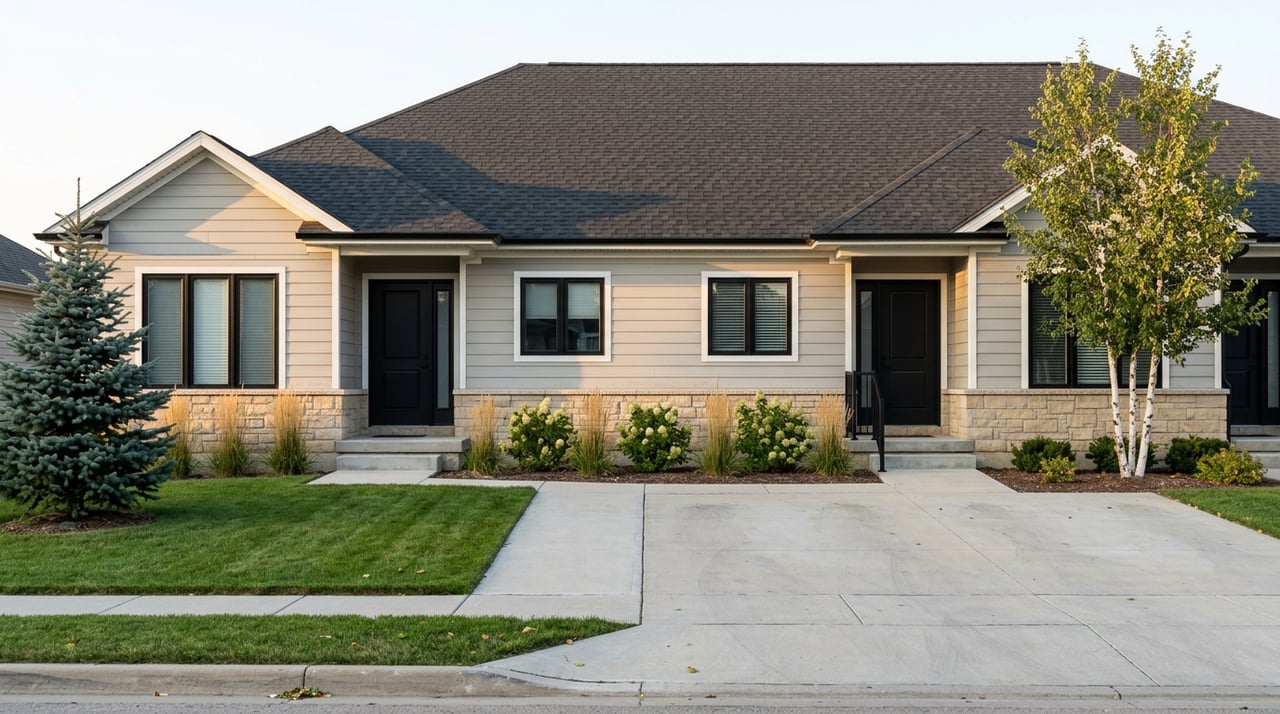
- Townhome: Shared walls mean closer neighbor contact and possible noise transfer. Construction quality and layout make a difference, so tour units at different times of day and ask about party wall design.
- Single‑family: More separation is typical, along with a private yard and fewer shared systems.
Outdoor space and storage
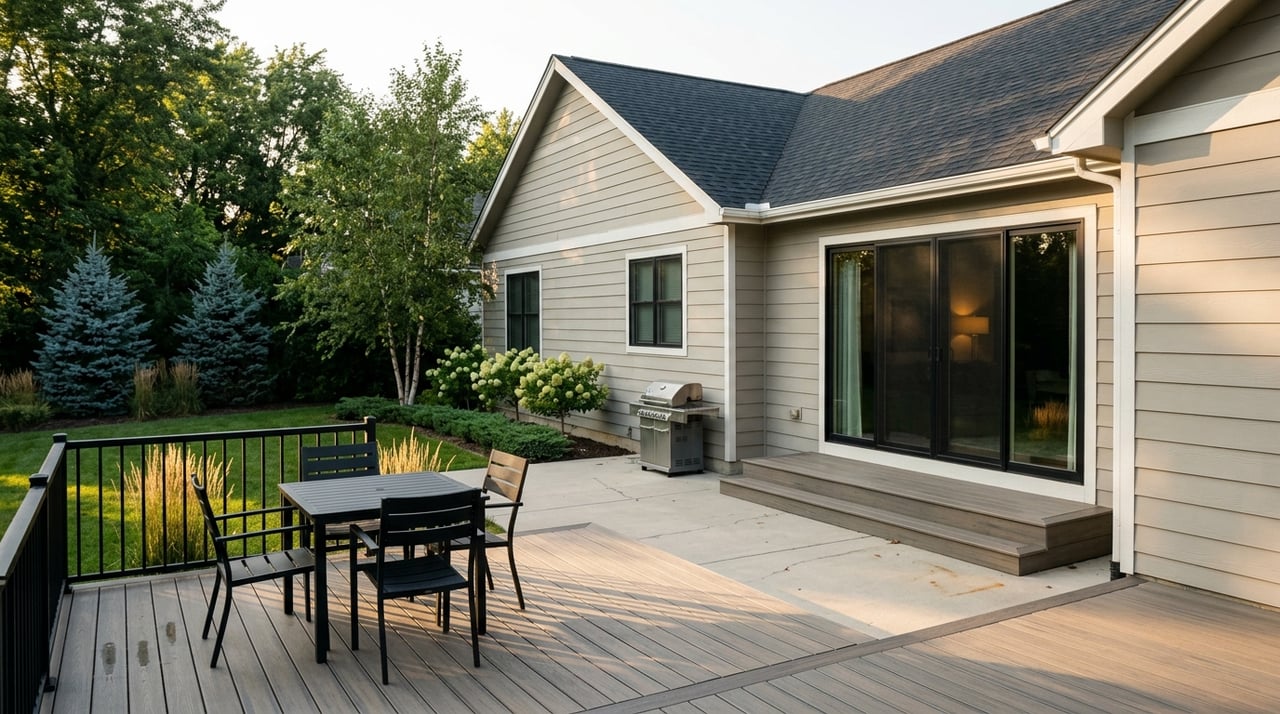
- Townhome: Expect a patio or small yard and more compact lot sizes. Great if you prefer minimal yard work.
- Single‑family: Larger lots are more common, which supports gardening, pets, and larger storage needs. That extra space comes with additional upkeep.
Parking and garages
- Townhome: Many include attached garages, often one to three stalls. Guest and street parking vary, so check association rules.
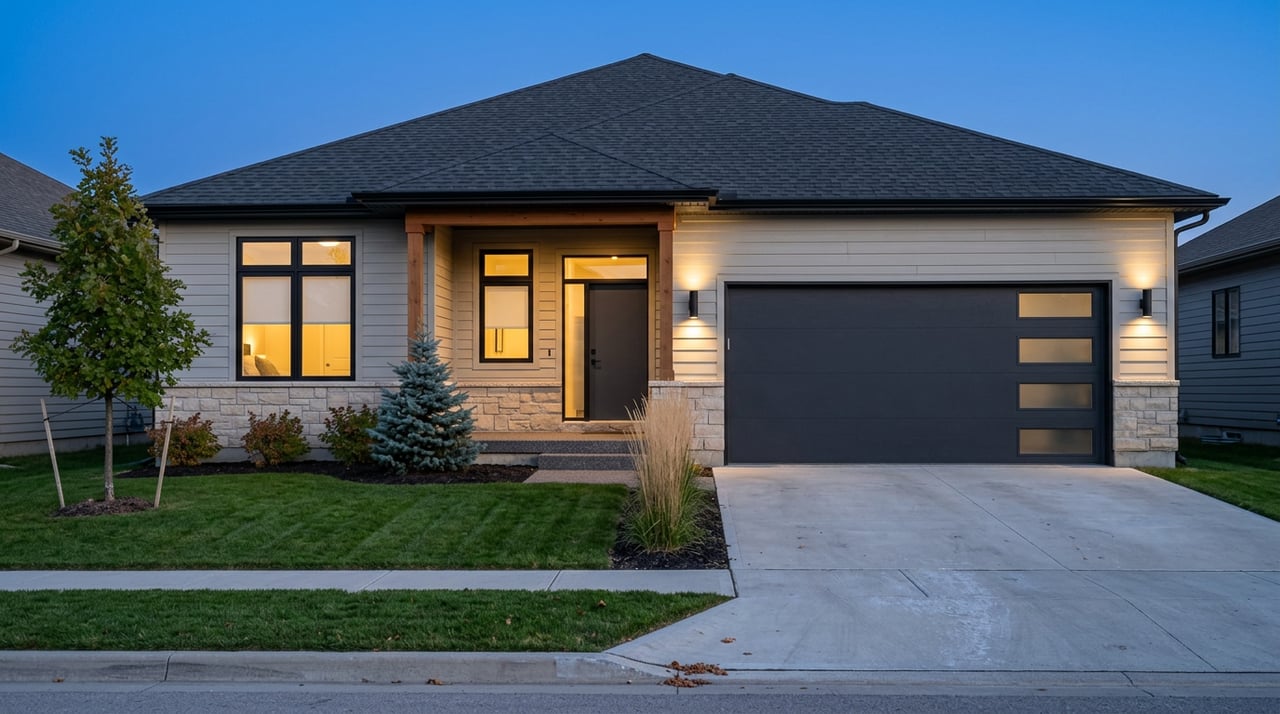
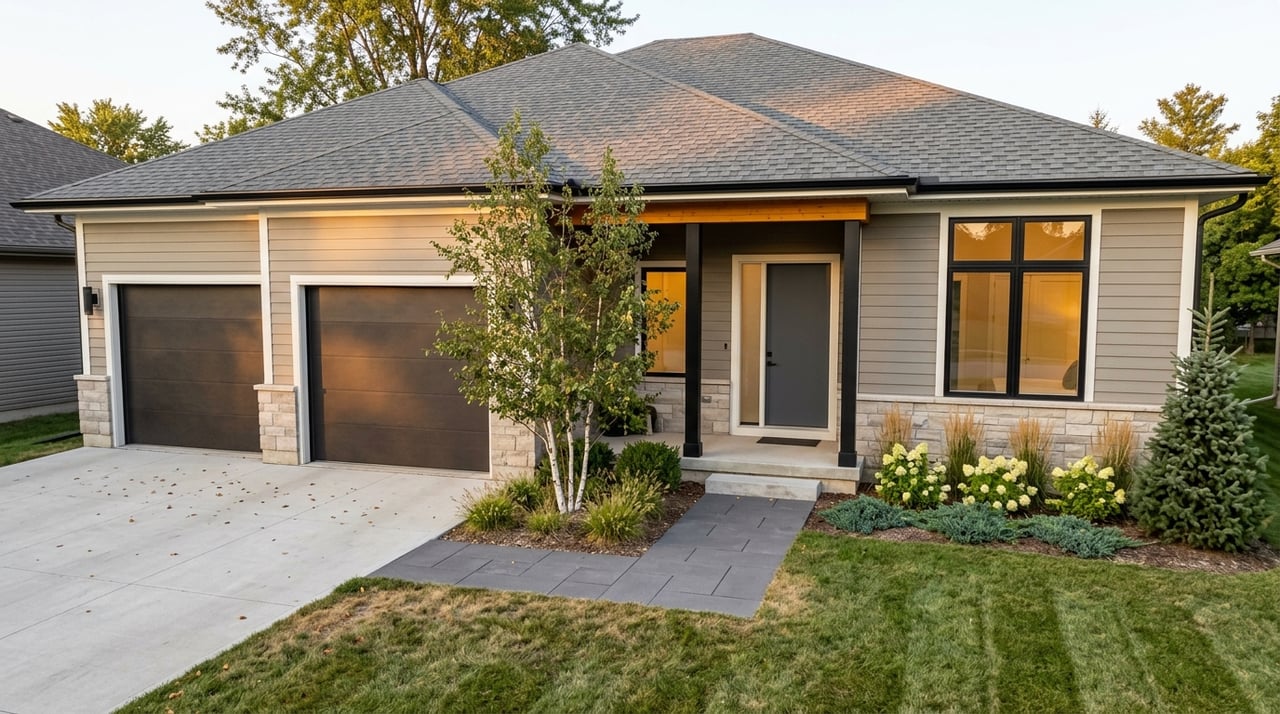
- Single‑family: Driveways and two‑car garages are common, with fewer parking restrictions.
Resale and buyer pool
Townhomes often attract first‑time buyers, downsizers, and investors. Single‑family homes tend to draw buyers who want a private yard or more flexible outdoor use. Liquidity depends on price band and condition, so pair your plan with current days on market data for your area.
What it really costs in Bismarck
Property taxes explained
North Dakota calculates a home’s taxable value as 4.5 percent of market value. Your estimated tax equals taxable value multiplied by the total mills divided by 1,000. You can review the state’s method in the ND Tax Commissioner’s residential property tax guide.
In the City of Bismarck, the 2024 levy table shows a total near 257.379 mills for one common taxing configuration. Mill totals vary by district each year. See the county’s current details on the Burleigh County mill levy sheet.
Quick examples using recent local price points:
- Single‑family example, $362,400 (Redfin, Feb 2026): taxable value ≈ 0.045 × 362,400 = $16,308. Estimated annual tax ≈ 16,308 × 0.257379 ≈ $4,200.
- Townhome example, $340,000 (local aggregator median): taxable value ≈ 0.045 × 340,000 = $15,300. Estimated annual tax ≈ 15,300 × 0.257379 ≈ $3,940.
These are estimates. Always compute parcel‑specific taxes with the actual mill levy and any exemptions.
Maintenance budget
A helpful rule of thumb is to budget about 1 percent of the home’s value per year for maintenance, with 2 to 3 percent for older homes or tougher climates. This gives you a baseline to compare a townhome’s lower hands‑on upkeep plus HOA dues against a single‑family home’s higher but variable costs. For background, see this summary of annual upkeep ranges and drivers from Select Home Warranty.
HOA dues in context
Local townhome listings often show dues in the $100 to $200 per month range. In Bismarck, many associations include grounds care and snow removal, which can reduce winter chores and private plowing bills. Always confirm exactly what is covered, how often fees have changed, and whether the reserve fund is sufficient.
Energy and winter impact
Bismarck sees significant winter snowfall, averaging about 50.5 inches per year based on 1991 to 2020 normals. That matters for heating costs, roof and gutter care, and snow removal planning. If you want minimal winter chores, an HOA that includes snow removal can be a real advantage. Review the local climate normals from the National Weather Service in Bismarck here.
Which choice fits your life
Scenario A: First‑time buyer on a budget
You want stability and predictable costs. A townhome in the mid‑$200s to mid‑$300s can trade some yard space for lower maintenance and a set HOA fee. Confirm the HOA’s master policy and reserves, get an HO‑6 insurance quote, and build a monthly budget that includes dues, estimated taxes, and a basic maintenance reserve.
Scenario B: Right‑sizer who values privacy
You want fewer stairs and a private yard for gatherings. A smaller single‑family home or a ranch‑style layout can deliver privacy and flexibility. Expect more yard upkeep time or contractor costs, and compare the annual tax and maintenance examples above to keep your total budget realistic.
Scenario C: Investor or part‑time resident
You want lock‑and‑leave convenience. Townhomes that include exterior care and snow removal can work well, but confirm rental rules and any restrictions before you buy. The City of Bismarck notes that short‑term rentals may be allowed and that rules are being monitored. Review the current stance on the city’s short‑term rental FAQ, then verify the HOA’s rental policy and any special assessment history.
Quick buyer checklist
Use this list to compare specific properties side by side.
- HOA documents: request CC&Rs, budget, reserve study, insurance certificate, and recent meeting minutes. See CAI’s reserve study guidance.
- Property tax: confirm the exact mill levy for the parcel and compute the tax. Start with the Burleigh County mill levy sheet and the ND Tax Commissioner’s guide.
- Insurance: ask for HO‑6 versus HO‑3 quotes that match each property’s coverage needs. For context, see Progressive’s Condo 101.
- Winter services: verify if the HOA covers snow removal and grounds care, and note the current dues.
- Local risks: for riverfront or low‑lying areas, check FEMA flood maps and review Missouri River planning materials from the U.S. Army Corps of Engineers. Here is a recent USACE summary report.
Local policy and risk notes
Short‑term rentals
The City of Bismarck indicates that short‑term rentals may be allowed and that the city is monitoring the sector and may adopt regulations. Policies can change, so confirm current city rules and your HOA’s rental policy before assuming flexibility. See the city’s STR FAQ.
Flooding and riverfront
Bismarck is on the Missouri River and has seen historical high‑water events. If you are considering riverfront or low‑lying parcels, verify flood zones, elevation certificates, and insurance requirements. Review planning and historical context in this USACE report, then confirm the parcel details with your insurer and lender.
How to decide, step by step
- Clarify daily life priorities. List what matters most, such as minimal upkeep, a private yard, or extra storage. Rank your top five.
- Firm up the budget. Model monthly costs with mortgage estimates, taxes, 1 to 3 percent maintenance, and any HOA dues. Keep a small reserve for winter extras and unplanned repairs.
- Tour both options. Visit townhomes and single‑family homes in your price band. Pay attention to sound transfer, parking, outdoor space, and winter access.
- Review documents early. For townhomes, request the full HOA packet before you fall in love. For single‑family homes, line up quotes for lawn and snow if you plan to outsource.
- Plan for winter. Decide whether you want the HOA to handle snow removal or if you prefer your own equipment and routine. This choice affects time, storage, and cost.
- Think resale. Ask for recent comps for both property types in your target area and price band. Focus on condition, updates, and days on market.
When you are ready to compare real properties and run the numbers side by side, connect with a local guide who does this every week. Schedule a quick, no‑pressure consult with Travis Huber to map your best fit in Bismarck.
FAQs
What are the typical HOA fees for Bismarck townhomes?
- Many local listings show dues roughly in the $100 to $200 per month range, often covering grounds care and snow removal, but you should confirm exact coverage in the HOA documents.
How do property taxes work in Burleigh County?
- North Dakota calculates taxable value as 4.5 percent of market value, then multiplies by the parcel’s total mills divided by 1,000, so use the county mill levy sheet and the state guidance to estimate your annual bill.
Is a townhome cheaper than a single‑family home in Bismarck?
- Recent local summaries show townhomes often sell below single‑family homes, but the gap is not large and varies by size, finish, and location, so always compare recent comps in your price band.
What insurance policy type do I need for a townhome?
- Many townhome or condo owners carry an HO‑6 unit‑owner policy while the HOA’s master policy covers exteriors, but your exact coverage depends on the HOA documents and the master policy.
Do Bismarck HOAs usually handle snow removal?
- Many do, and local listings often highlight it, which can save time and private plowing costs in winter, but you should verify the scope of service and the current dues in writing before you buy.