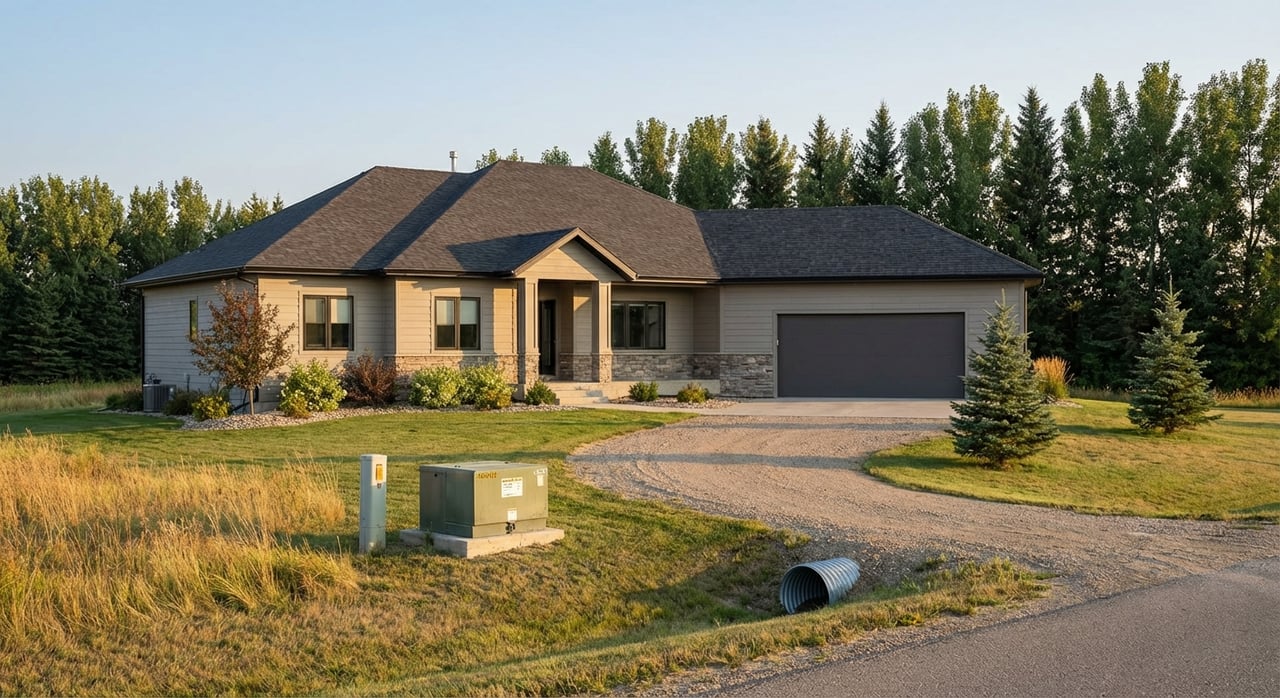
Buying Acreage Near Lincoln, ND: What To Know
February 19, 2026
February 19, 2026
Thinking about a little elbow room near Bismarck without giving up convenience? Buying acreage near Lincoln can be a smart move if you understand the rules, permits, and site realities that shape what you can build and how much it will cost. In this guide, you’ll learn how to check zoning and access, plan for utilities, assess soils and septic, and structure a clean due‑diligence timeline. Let’s dive in.
Start by confirming who regulates your parcel. It could be inside Lincoln city limits, inside a city’s extraterritorial area, or in unincorporated Burleigh County. Each path uses different rules for zoning, subdivision, and building permits.
Use the county’s interactive resource to confirm jurisdiction and find the current zoning district, allowed uses, minimum lot size, and setbacks. The county’s mapping is your first stop for answers on what you can do with the land. Check the county’s Zoning and Platting Jurisdiction Maps for clarity on who has authority and what standards apply.
A visible driveway does not equal legal access. Many lenders and the county look for either public road frontage or a recorded, deeded access easement. Ask for recorded evidence early so you are not surprised during underwriting or permitting.
If you need to add or modify a driveway onto a county road, you will likely need a Road Approach Permit. There are standards for culverts, locations, and inspections, and the property owner pays for installation and maintenance. Plan lead time for permit review and installation.
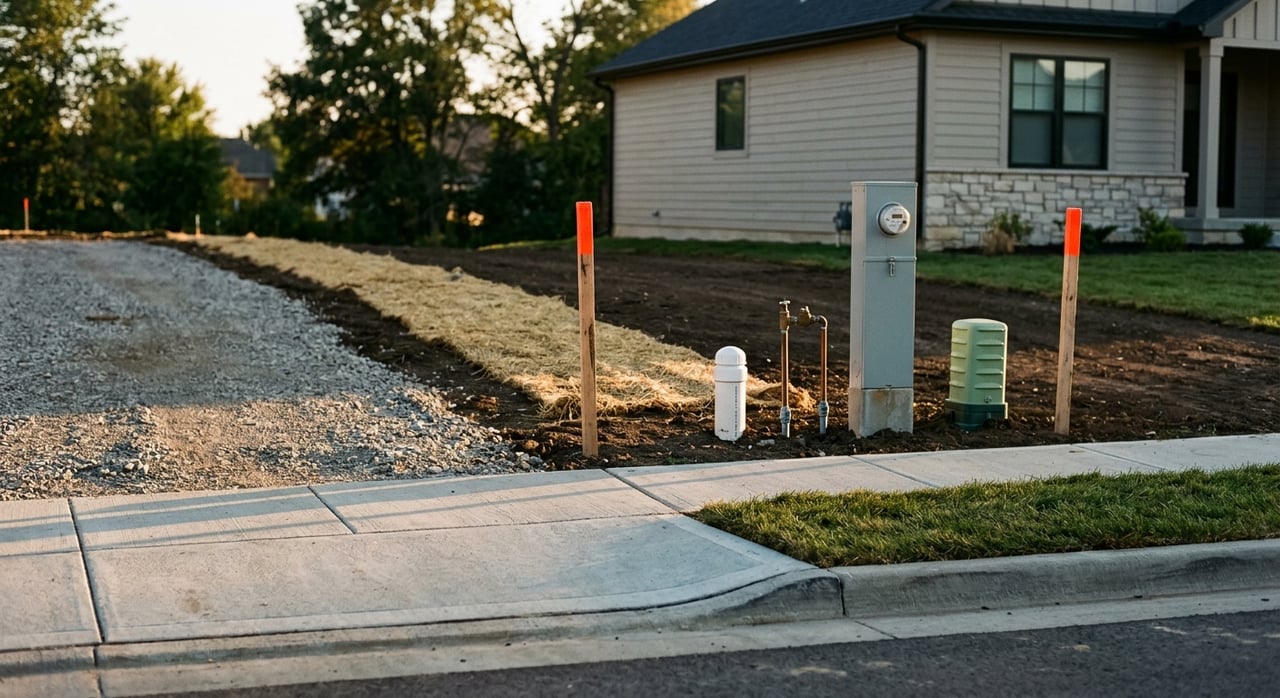
Inside Lincoln city limits, municipal water is typically available. Outside the city, many parcels rely on rural water from South Central Regional Water District or a private well. If you plan to connect to rural water, confirm service availability and tap fees before you close.
Most acreage outside city service will need an on‑site wastewater system. Burleigh County reviews septic permits as part of building permits. Order a soils and septic feasibility review during your contingency window so you understand system type and cost.
Rural electric service in the Lincoln area is often provided by Capital Electric Cooperative or other utilities. Confirm the serving utility for your parcel and request a written line‑extension estimate. Rural runs can add cost and time.
Service varies by street. Confirm providers at the address level. If wireline service is limited, explore fixed wireless or satellite options.
Soils affect your septic design, driveway build, basement plans, and costs. A soils professional can run percolation tests and evaluate slopes and drainage to right‑size your system. Use the NRCS soils viewer for a first look, then order site‑specific testing during due diligence.
If the parcel relies on a private well, ask for well logs and recent lab tests. If no well exists, speak with local drillers about typical depths and yields in your area and budget for a pump test.
Floodplains and wetlands can limit where you build, place septic, and run driveways. They may also trigger extra permits and insurance. Do a quick FEMA check before you write an offer, then confirm site constraints during contingencies.
Recorded covenants and easements control uses such as animals, accessory buildings, and road maintenance. Ask for the title commitment early and read all exceptions. In North Dakota, mineral rights are often severed from surface rights, so ensure the title commitment lists all mineral reservations or active leases.
Burleigh County explains how values and levies flow into your bill. Assessors set a market value, assessed value is commonly 50 percent of market, and taxable value for residential property is calculated as 9 percent of assessed value. Classification and exemptions can change the final bill, so pull the parcel record and talk with the county before you assume averages.
Large projects like pipelines or transmission lines can create permanent or temporary easements and may affect buildable area. Burleigh County maintains a public page for the Summit Carbon Solutions project. Check county resources and title for any recorded or proposed corridors that touch your parcel.
Ready to walk a parcel and build a clean plan from offer to closing? I help you spot red flags early, coordinate quotes and permits, and negotiate a contract that protects your build timeline and budget. If you want a local, hands‑on partner for acreage near Lincoln, connect with Travis Huber to Schedule a Free Consultation.
Get assistance in determining current property value, crafting a competitive offer, writing and negotiating a contract, and much more. Contact Travis today to discuss all your real estate needs!
CONTACT DETAILS
ADDRESS 1401 Skyline Blvd Ste 210 Bismarck ND 58503