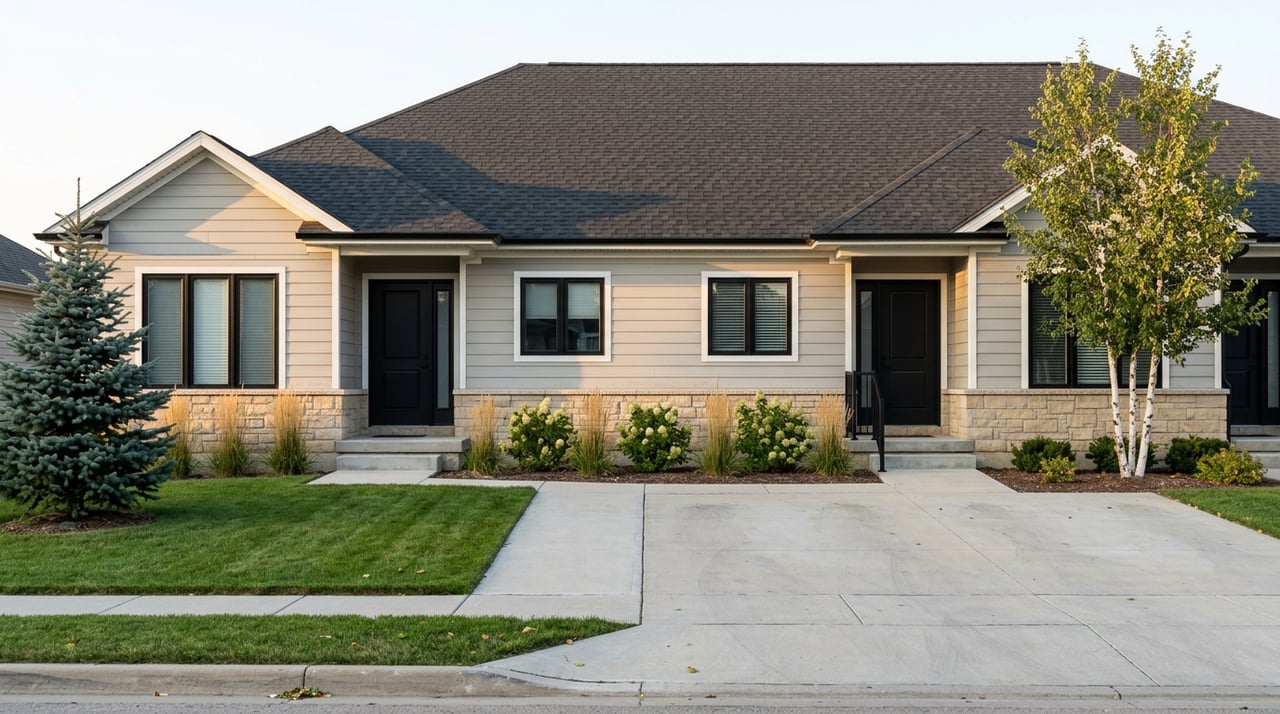
Guide For Out-Of-State Investors Buying In North Dakota
March 12, 2026
March 12, 2026
Thinking about buying rentals in Bismarck from another state, but not sure where to start? You’re smart to look at 58504 and the broader Bismarck–Mandan area, yet remote deals can feel risky without local knowledge. In this guide, you’ll get a clear roadmap: where demand comes from, how the purchase flows in North Dakota, the legal rules that affect your bottom line, and a practical checklist you can use before you bid. Let’s dive in.
Bismarck’s economy is anchored by state government, health care, education, and utilities, with major employers such as the State of North Dakota, Sanford Health, CHI St. Alexius, Bismarck Public Schools, and MDU Resources. This mix supports steady rental demand across cycles. You can see the local employment profile in the Bismarck–Mandan economic and community overview from the regional development group. Review the employer landscape and industry mix.
Recent indicators show Bismarck’s average home value in the high $300Ks, which you can use as a broad benchmark while you pull exact MLS comps for the property and submarket. Local rental indices commonly show one‑bedroom rents in the low to mid $1,000s and two‑bedrooms in the $1,100 to $1,500 range. Always run fresh street‑level comps for underwriting since advertised rents and concessions can shift quickly.
City and county permitting point to ongoing residential construction in some areas. New supply can shape lease‑up time and concessions. Before you underwrite, ask planning staff about recent approvals and timelines, and verify whether any nearby projects could affect your target property. The City of Bismarck’s FAQ hub is a good starting point for local permitting and planning contacts. Check local permitting and planning FAQs.
Start with remote sales and rent comps, a quick flood map review, and a look at any visible permit history. Use online indices for direction only, then have a local agent pull MLS comps for the exact block or subdivision.
Line up a North Dakota‑licensed agent or broker, a local title company, a property manager, and an attorney if you are buying in an entity. Brokerage conduct is governed by ND rules, so put representation in writing with an ND‑licensed pro. See ND licensing and brokerage oversight.
Include standard inspection, financing, and clear‑title contingencies. Conventional deals often target a 30 to 45 day close, subject to lender and title timelines. Ask your agent about local earnest‑money norms and who will hold funds.
Order inspections for roof, HVAC, plumbing, electrical, and pest. If it is income property, review the rent roll, leases, security deposits, and any tenant payment history. Confirm permits for prior work and whether a Certificate of Occupancy was issued when applicable. Use the city’s FAQ hub for guidance on permits and occupancy.
North Dakota closings run through local title companies. Confirm who holds earnest money, how wire instructions will be sent, and whether remote signing or e‑notary is available for your file.
Map your target renters by location. Proximity to downtown Bismarck, medical centers, colleges, and major corridors can shape rent tiers and turnover patterns. For expansion news and employer stability, review the regional community profile. Scan the Bismarck–Mandan economic overview.
North Dakota generally caps a standard security deposit at one month’s rent, with limited exceptions. Deposits must be held in a federally insured interest‑bearing account for the tenant’s benefit, and itemized deductions are required. Improper handling or delays can create treble damages exposure. Read NDCC §47‑16‑07.1 summary.
For nonpayment or certain violations, landlords can serve a 3‑day Notice of Intention to Evict before filing in district court. Hearings tend to move quickly, so coordinate with a local manager or attorney. For periodic tenancies, month‑to‑month arrangements generally require one calendar month’s written notice to terminate. See the ND Courts eviction guide and NDCC §47‑16‑15 summary.
You must maintain fit and habitable housing and comply with applicable codes. North Dakota also requires smoke alarms, and carbon monoxide alarms are required in homes with fuel‑burning appliances or an attached garage. Document detector installation and testing at move‑in. Review a summary of CO alarm requirements.
For non‑owner‑occupied loans, plan for 15 to 25 percent down, with reserves and documentation of rental income if you are using it to qualify. Rates are usually higher than owner‑occupied loans. Compare DSCR and portfolio options with conventional products to see what fits your strategy. Get an overview of investment‑property loan requirements.
To estimate taxes, confirm the parcel’s assessed value and taxable value fraction, then apply the correct mill levy for its taxing district. This can vary by location, so use the county’s published mills and pull the current statement for precision. Use the county’s mill levy PDF as your reference and verify details with your title company or agent.
Set quotes early for landlord coverage, liability, and flood if applicable. In underwriting, note whether heat, water, or trash are landlord‑paid. These line items can change your cap rate more than a small price difference.
Full‑service management fees commonly fall around 8 to 12 percent of collected rent, with separate leasing fees and potential maintenance coordination charges. Get fee structures in writing and confirm how turnovers are handled. See a national overview of management fees and consider tapping local operator networks for vacancy and turnover intel.
Ready to explore deals in 58504 with a local partner who can pull precise comps, coordinate inspections, and keep your deal moving? Reach out to Travis Huber to walk through your goals and build a step‑by‑step plan.
Get assistance in determining current property value, crafting a competitive offer, writing and negotiating a contract, and much more. Contact Travis today to discuss all your real estate needs!
CONTACT DETAILS
ADDRESS 1401 Skyline Blvd Ste 210 Bismarck ND 58503