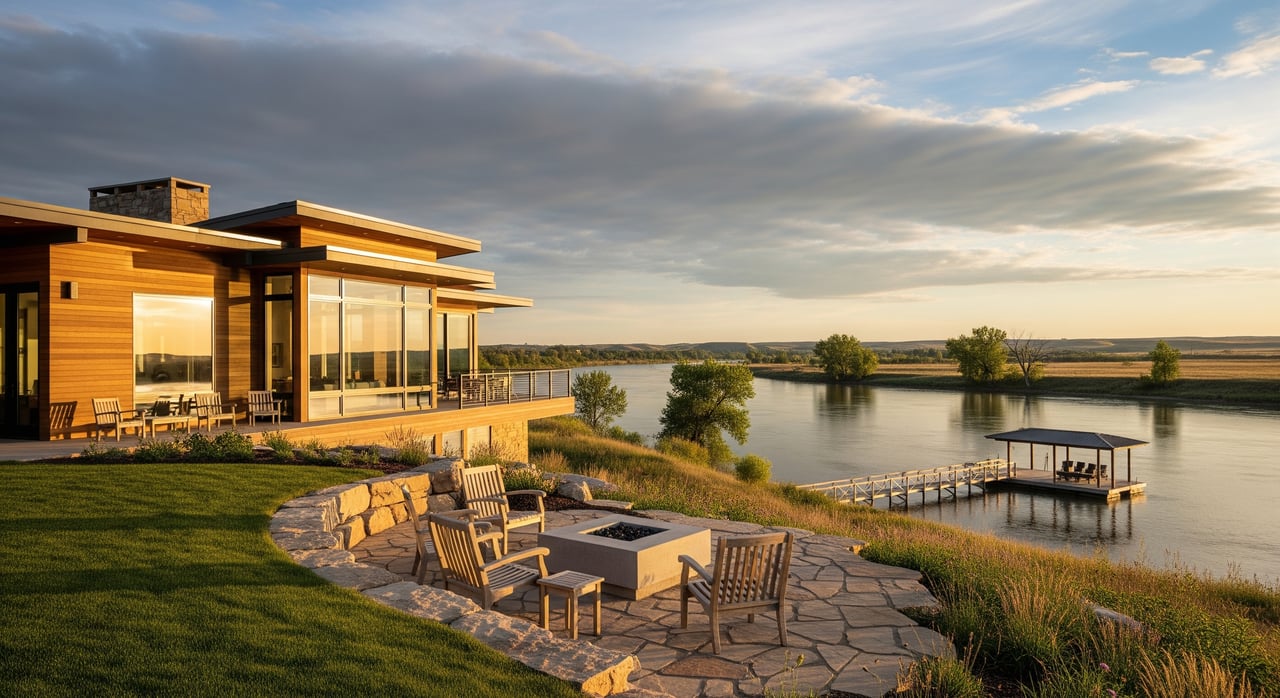
What It’s Like To Live In Bismarck, ND
February 5, 2026
February 5, 2026
Thinking about a move to Bismarck but not sure what day-to-day life really feels like? You want short commutes, room to breathe, and a community that runs on common sense and strong services. In North Dakota’s capital, you get four true seasons, a steady job market, and easy access to parks, trails and the Missouri River. In this guide, you’ll learn what it’s like to live here, from weather and neighborhoods to schools, healthcare and housing basics. Let’s dive in.
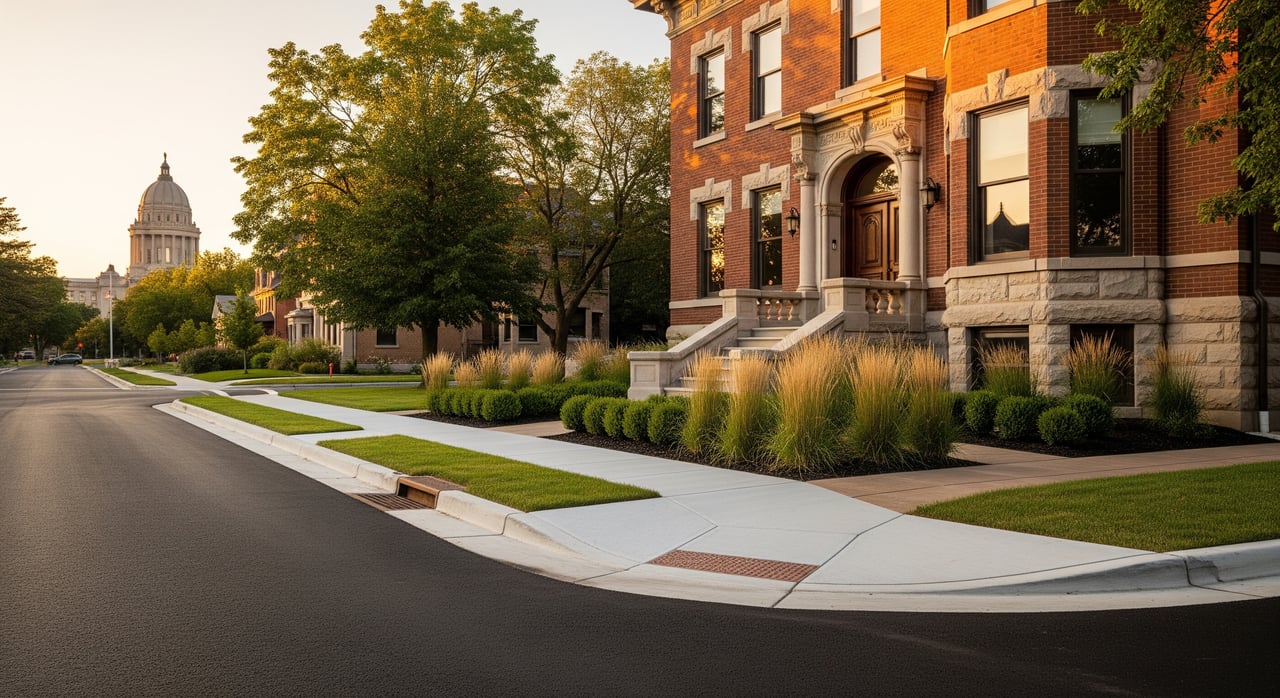
Bismarck is the state capital and the hub for government, healthcare, education and retail in south-central North Dakota. The city’s population is around 73,000, with an even larger metro area when you include Mandan across the river. You’ll find a mix of long-time residents, young families and professionals who move here for steady regional jobs. The pace is practical and manageable, with services and amenities spread across well-connected neighborhoods.
You experience all four seasons here. Winters are long and cold with snow and wind, so snow removal, warm gear and a dependable vehicle are part of life. Spring brings a slow thaw that leads into warm, sunny summers, which many people spend on the river, trails and in neighborhood parks. Fall is crisp and colorful, great for outdoor projects and weekend outings.
Daily commutes are typically short compared with big-city traffic. Many residents drive 10 to 25 minutes to work depending on where they live and where they’re headed. Interstate 94 runs east to west, and U.S. Highway 83 runs north to south, with bridges connecting Bismarck to Mandan over the Missouri River. You’ll rely mainly on a personal vehicle, though fixed-route buses, taxis and rideshares operate on a smaller scale. Bismarck Municipal Airport offers regional air service for business and leisure travel.
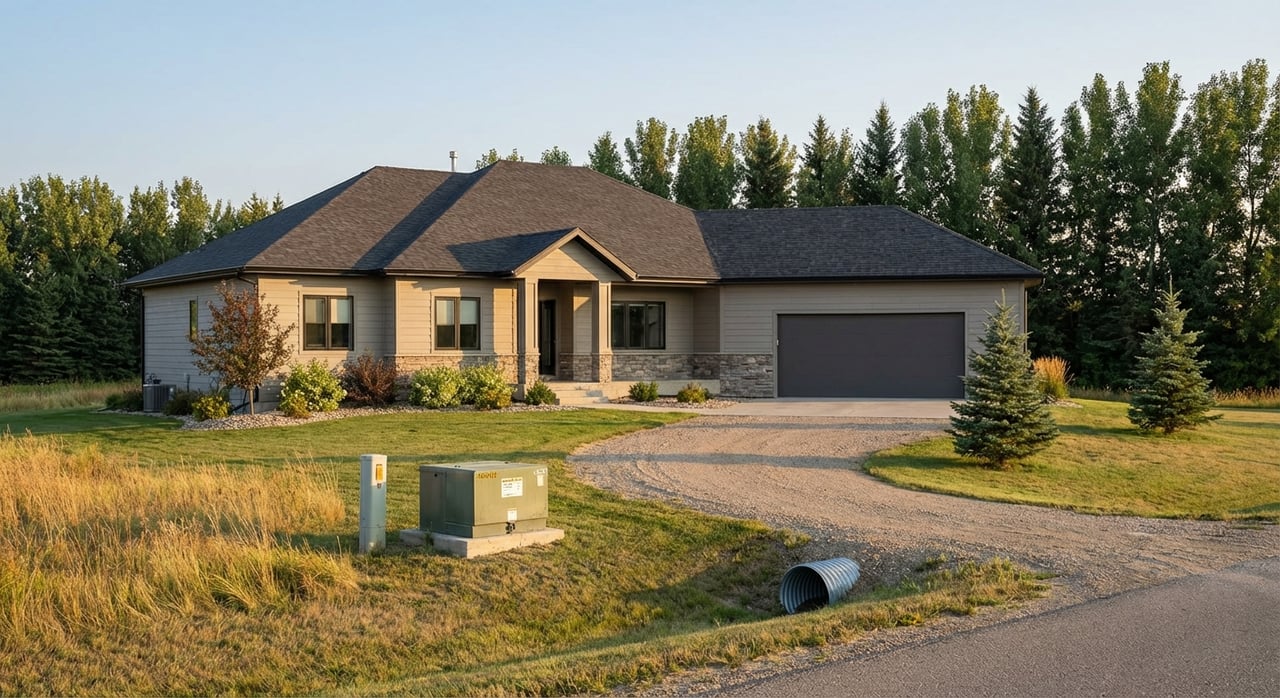
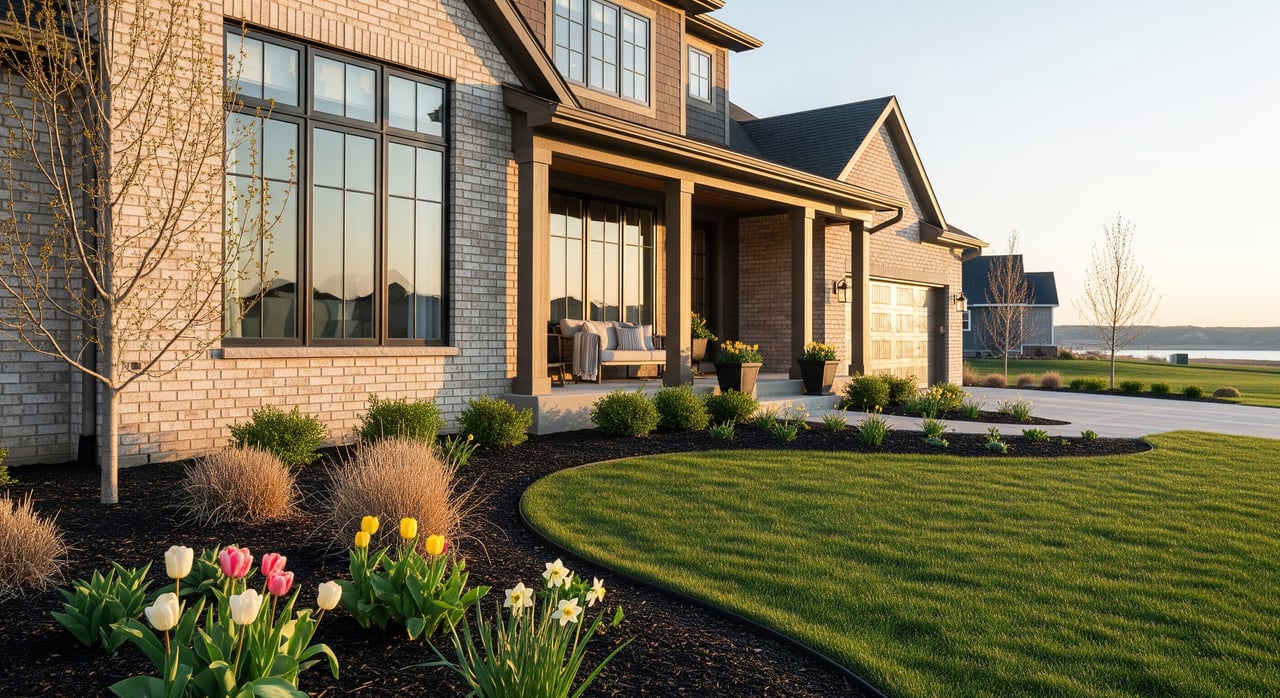
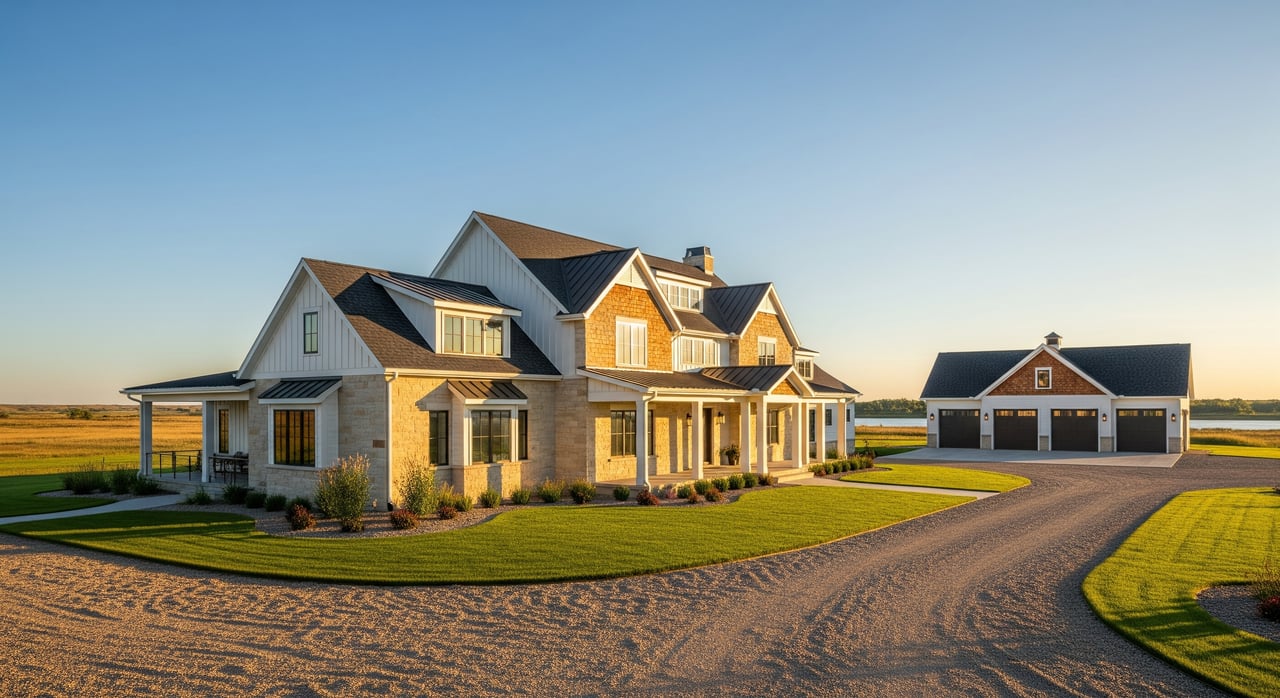
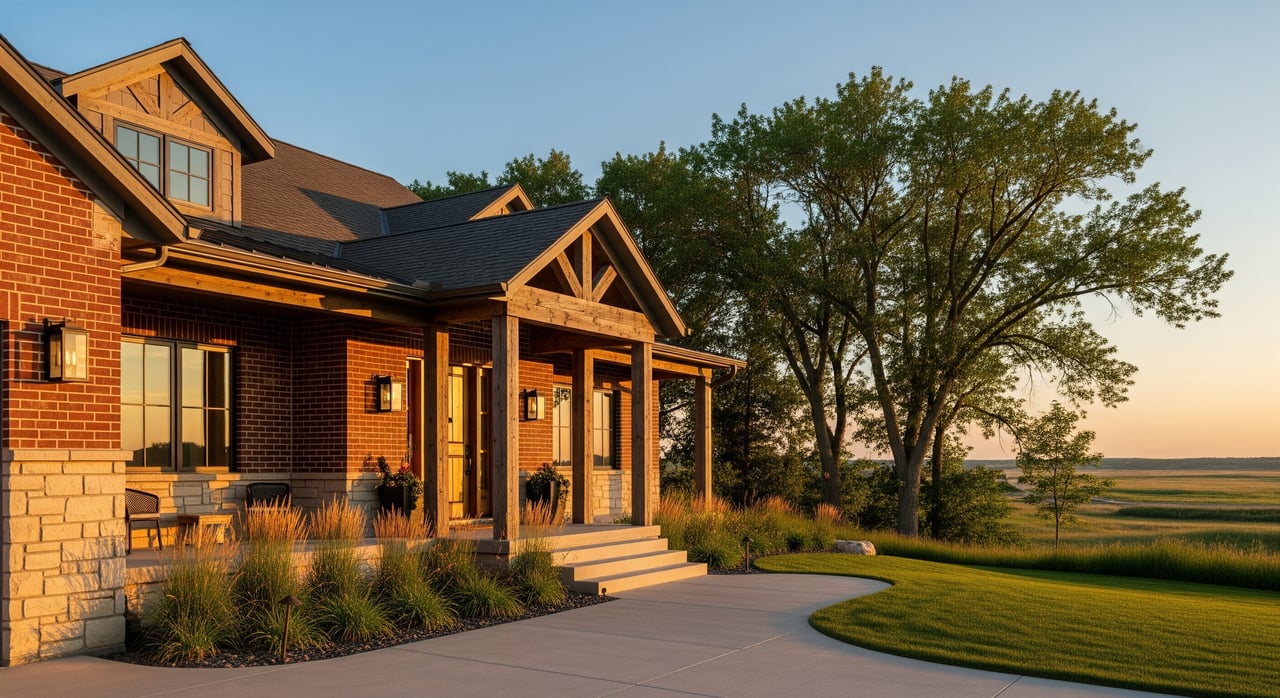
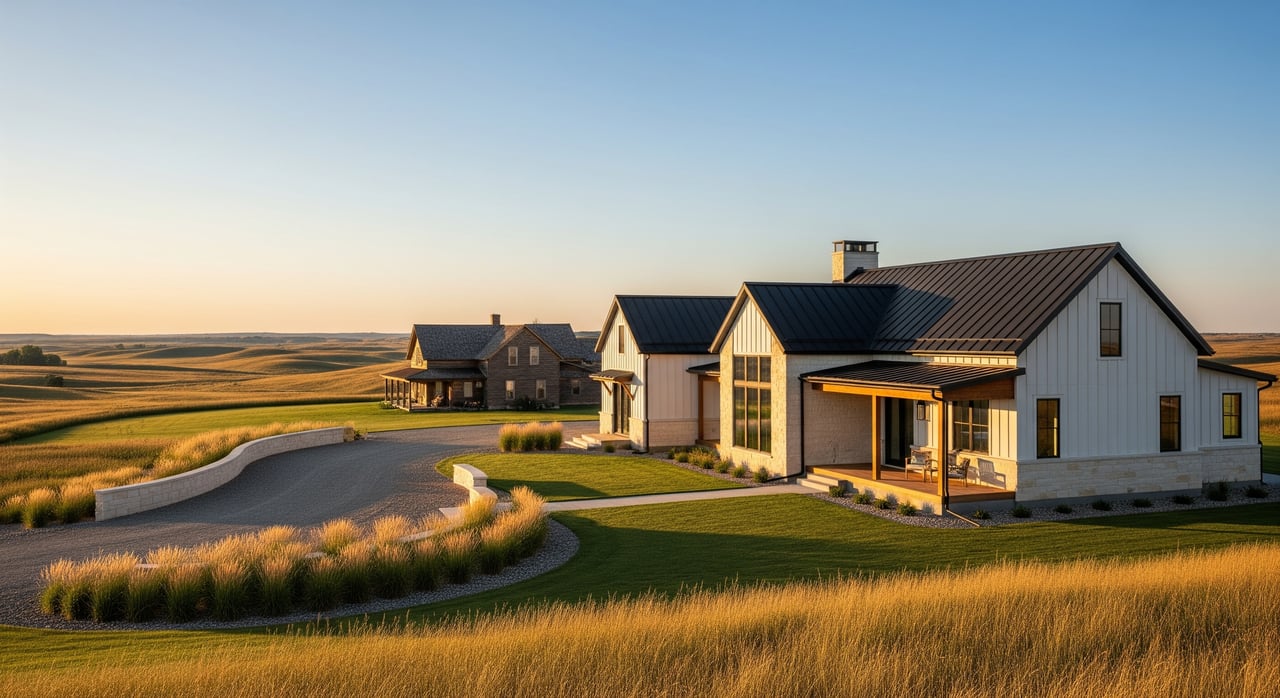
Housing ranges from starter homes and mid-century properties to new construction, condos and apartments. Buyers here include first-time homeowners, move-up buyers, professionals in healthcare or state government, and downsizers. Mandan across the river often functions as part of the same housing market, offering its own mix of homes and price points.
Public education is provided by Bismarck Public Schools with multiple elementary, middle and high schools across the city. There are also private and parochial options if you want alternatives. For higher education, Bismarck State College and the University of Mary serve local students and bring additional programming and events to the community. If you need childcare, start early and confirm openings and waitlists, and always verify attendance boundaries if school zoning is a priority for you.
Bismarck is a regional medical center with multiple major hospital systems and clinics. You’ll find a broad range of specialists and services within the city limits. Access to urgent care, primary care and emergency services is strong for a metro of this size.
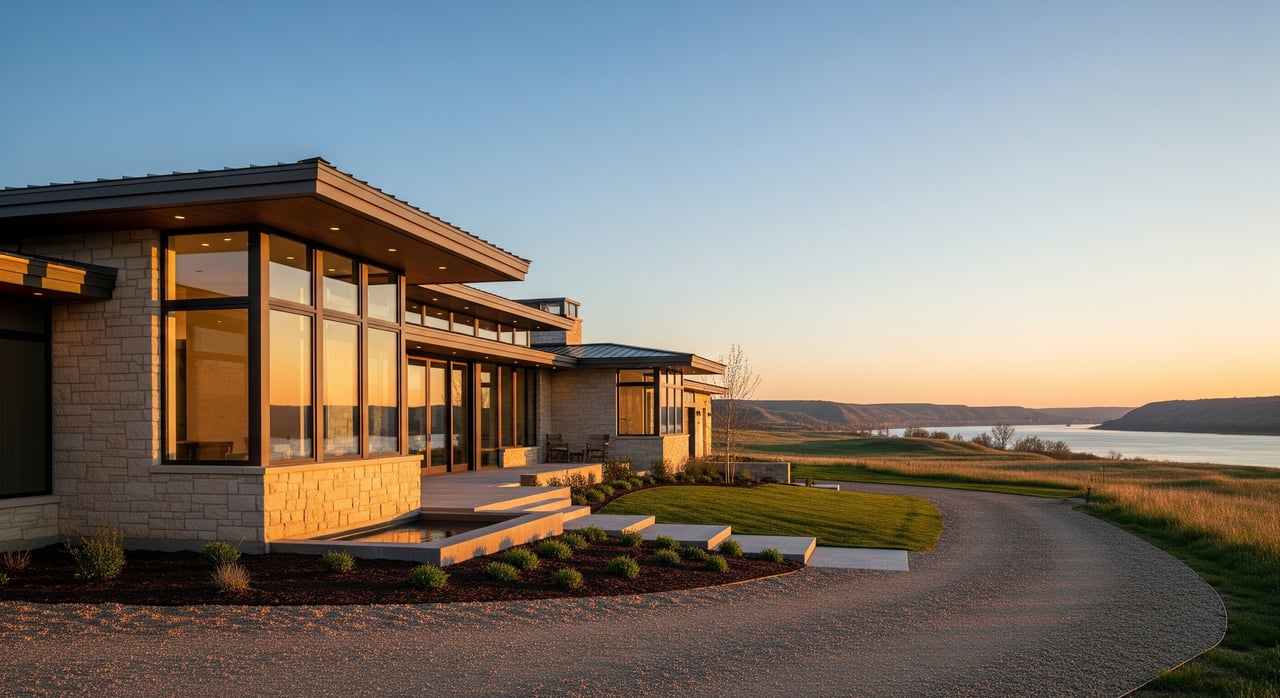
The Missouri River is a major outdoor draw. Warm months are great for walking, biking and running along multi-use trails, as well as fishing and boating on the river. The city’s parks system supports playgrounds, sports fields, community centers and youth sports. You’ll also find museums and local historic sites, plus a steady calendar of community events, farmers markets, theater productions and concerts. Winter doesn’t slow things down much, with ice fishing, snowmobiling and cross-country skiing when conditions allow.
Overall costs are often comparable to or lower than many coastal metros, and housing is a big reason why total budgets can feel manageable. North Dakota has a state income tax, local property taxes and sales tax. Heating and utility costs matter because of the length of winter, so buyers often focus on insulation, windows, roof condition and the age and type of heating systems. For the most current property tax details, check local county resources during your home search.
Bismarck’s economy is anchored by state government, healthcare and education, which typically provide stability across business cycles. Retail, construction and services support the broader region. Energy, utilities and agriculture-related services are part of the statewide picture and can influence hiring and housing demand from time to time. Unemployment has often tracked at or below national averages, though you should always check current state labor data.
If you want a capital-city hub with short commutes, strong services, and four true seasons, Bismarck delivers. You get a range of neighborhoods and housing types, reliable access to healthcare and education, and a community calendar that runs year-round. Whether you’re buying your first place, moving up, or exploring land and investment options, local guidance helps you move with confidence. If you’re ready to take the next step, connect with Travis Huber for local insight, current listings and a clear plan.

Get assistance in determining current property value, crafting a competitive offer, writing and negotiating a contract, and much more. Contact Travis today to discuss all your real estate needs!

CONTACT DETAILS
ADDRESS 1401 Skyline Blvd Ste 210 Bismarck ND 58503