Buying Land In Burleigh County: Key Points To Review
April 16, 2026
April 16, 2026
Buying land can feel simple at first. Then the real questions show up fast: Can you build what you want, is there legal access, and what happens if the parcel sits near a floodplain or needs septic? If you are looking at land in Burleigh County, especially around 58503, doing your homework before you close can save you time, money, and stress later. This guide walks you through the key points to review so you can move forward with more confidence. Let’s dive in.
One of the first things to confirm is which local authority controls the parcel. In Burleigh County, a property may fall under county zoning, city zoning, or a city extraterritorial area, so you do not want to assume the rules are the same from one parcel to the next. Burleigh County provides zoning and platting jurisdiction maps that can help you identify where a parcel sits.
If the parcel is in an unincorporated township under county zoning, the county ordinance states that land is classified as A Agricultural until rezoned. The county also lists multiple zoning districts, including A Agricultural, R1, R2, R3, R5, C Commercial, I Industrial, PUD, P Public Use, and FP Floodplain in the Burleigh County zoning ordinance.
That matters because zoning affects what you may be able to do with the property now and what approvals you might need later. A parcel that looks ideal for a home site, small project, or future split may still require a rezoning, special use permit, or variance before you can move ahead.
Burleigh County’s Planning Department handles zoning changes, subdivision plats, special use permits, variances, lot modifications, plat modifications, and site plan review. In practical terms, this is often the best county office to contact when you want to know whether a parcel can be split, built on, or used in a specific way.
If you are comparing multiple parcels, getting answers early can help you avoid spending time on land that does not fit your plans. It can also help you understand whether your timeline needs to include extra approval steps.
Online map tools are helpful, but they are not the final word. Burleigh County’s Parcel Viewer and Plat Viewer are useful starting points for research, but the county states that the parcel viewer is for representation only and does not constitute a survey.
That means you should treat online maps as screening tools, not proof of exact boundaries or access rights. Before you buy, it is smart to confirm whether the parcel has a recorded plat, whether there are easements that affect use, and whether any lot modifications were recorded after the original plat.
Because county map tools are not surveys, a licensed land surveyor is the right professional to confirm boundaries on the ground. A title company or real estate attorney can also help review recorded documents through the county’s Recorder office, which maintains deeds, easements, plats, leases, mortgages, and other official records.
This step matters more than many buyers expect. A utility easement, access easement, or boundary issue can affect where you build, where you place a driveway, or whether part of the parcel can be used the way you planned.
Access is not just about whether you can physically drive to the property. You also need to know whether the road access is legal, approved, and practical year-round.
Burleigh County notes on its rural road guidance page that many rural roads are township roads rather than county roads. In fact, the county says nearly 60 percent of rural roads, including all subdivision roads, are township roads. If you are not sure who maintains the road next to a parcel, the county recommends contacting the Highway Department.
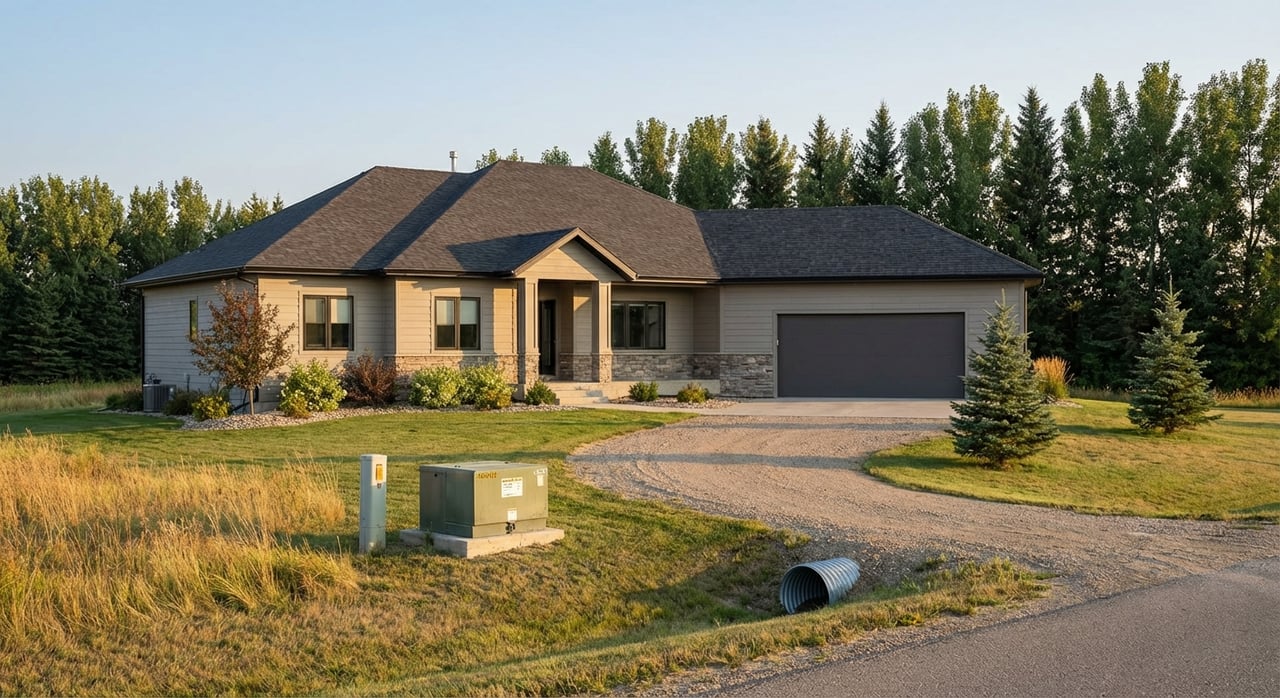
For designated county roads, Burleigh County requires a Road Approach Permit for any approach installation. The Highway Department and County Engineer review the site, look at drainage, and determine culvert length and diameter if needed.
The county also states that the owner is responsible for the cost, maintenance, and construction of the approach. Rural properties are generally allowed one approach unless a second one is approved through the County Commission process.
If a parcel does not already have a legal and approved approach, that is something to sort out before closing. You will want to know whether a culvert is required, what the access will cost, and whether the site conditions could complicate approval.
Road conditions can change a lot with the season. Burleigh County warns that gravel roads and rural routes can be affected by snow, thaw, mud, and dry dusty periods on its rural information page.
That is why it helps to think about access in two ways:
A parcel that seems easy to reach on a dry day may feel very different in spring thaw or winter weather.
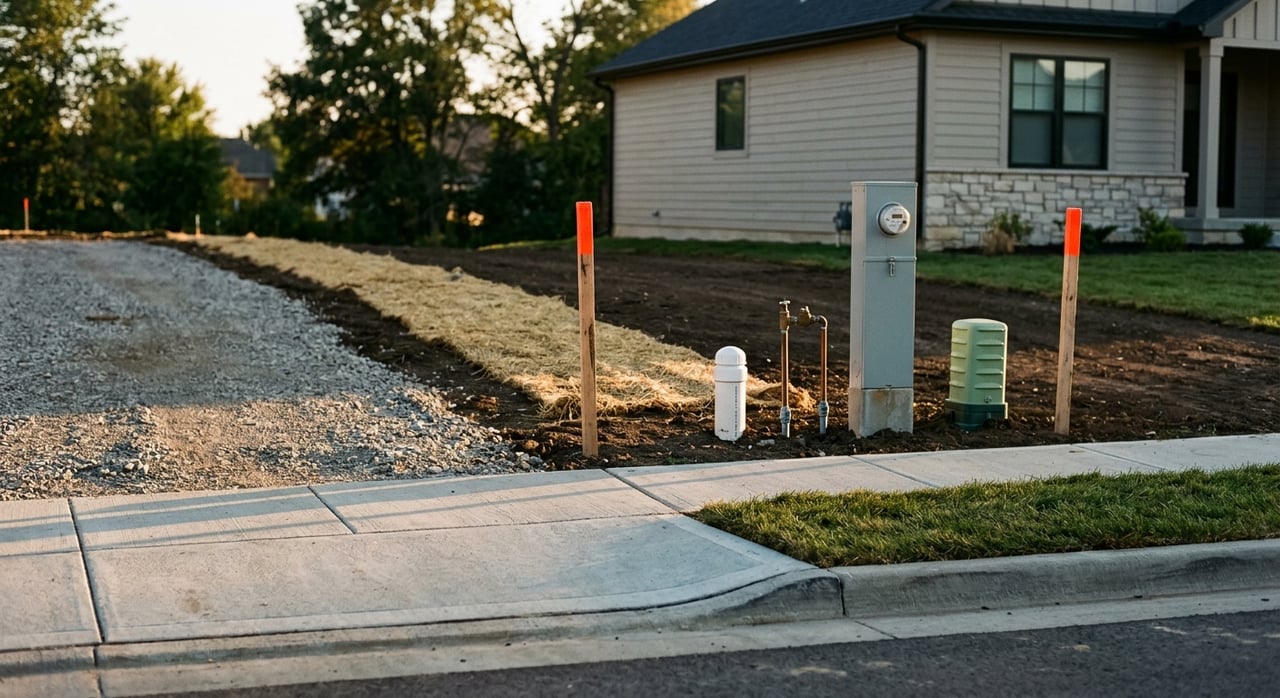
Another major step is understanding how the parcel will be served. Some sites may have access to public utilities, while others may require private systems and additional planning.
Burleigh County’s building and permit page states that permits are needed for new buildings and structures, certain remodel work, septic systems, and mechanical work. The county also provides a septic system permit application for new systems and repairs.
The county’s Comprehensive Plan says rural water and central sewer should be encouraged and notes the importance of proper septic drain field design and operation for rural lots. It also encourages connection to existing municipal wastewater treatment when possible.
Before you buy, try to confirm:
If utility work needs to occur in county road right-of-way, Burleigh County requires a separate Utility Permit. That can be an important detail if your project depends on extending service to the site.
Floodplain and drainage issues deserve close attention in Burleigh County. Even if a parcel looks dry at first glance, nearby drainageways, flood hazard areas, or elevation changes can affect where and how you build.
Burleigh County’s Floodplain Administration resources provide information on flood maps, flood depths, wetlands, flood insurance, and rules for building in the floodplain. The county also offers tools that display floodways, floodplains, elevation data, parcels, road closures, and related water features.
The zoning map also overlays Special Flood Hazard Areas, which makes this review even more important during early due diligence. If work is planned in the floodplain, the county provides a flood plain development application through its building and permitting resources.
Floodplain concerns can affect:
If the parcel sits in or near a floodplain, floodway, wetland, or drainageway, it is worth slowing down and getting clear answers before moving forward.
Not all land is equally buildable, even when zoning allows your intended use. Soil limitations, slope, and runoff patterns can shape the cost and complexity of development.
The Natural Resources Conservation Service says its Web Soil Survey and North Dakota soil survey resources provide official soil data and interpretations. That makes it a strong starting point for reviewing drainage, soil characteristics, and site suitability.
Burleigh County’s zoning ordinance also says that if you plan to grade, subdivide, or otherwise change the site contour, an erosion and sedimentation control plan is required in all zoning districts except A Agricultural. The ordinance also says development should be adapted to the topography and soils.
A parcel with challenging soils or slope may still work, but it may require extra planning and expense. For example, site conditions can influence:
For more complex sites, a civil engineer or septic professional may be worth bringing in before you finalize the purchase.
Current zoning is important, but it is not the only planning document that matters. Burleigh County’s Future Land Use Plan is a planning guide for growth and development decisions, but it does not change zoning on its own.
That distinction is important. A future land use designation can give you useful context about how the area may develop over time, but it does not guarantee an automatic zoning change. The county says zoning changes happen only when a property owner requests a change and the county acts on it.
The county’s Comprehensive Plan also emphasizes orderly growth, encourages growth near existing cities, and discourages development that would require new or upgraded public thoroughfares. For you as a buyer, that means it is wise to think not just about what works today, but also about how the parcel fits into the county’s broader direction.
If you are buying land in Burleigh County, these are the key items to review before you commit:
Land can offer great flexibility, but only when the details line up with your goals.
Buying land usually involves more moving parts than buying an existing home. You may need input from the Planning Department, Highway Department, Recorder, Tax Equalization office, Water Resource Board, and outside professionals depending on the parcel.
Having a local real estate guide can help you ask the right questions early, organize the due diligence process, and spot issues that deserve a closer look. If you are considering land in 58503 or elsewhere in Burleigh County, Travis Huber can help you evaluate properties, connect the dots during your research, and take the next step with clarity.
Get assistance in determining current property value, crafting a competitive offer, writing and negotiating a contract, and much more. Contact Travis today to discuss all your real estate needs!
CONTACT DETAILS
ADDRESS 1401 Skyline Blvd Ste 210 Bismarck ND 58503